
PBS Healthcare Services for Care Providers
Positive behaviour support that strengthens care and improves outcomes
Helping Healthcare Teams See Behaviour Differently
PBS UK partners with healthcare providers to deliver flexible, values-led support for individuals with complex needs. Whether you’re working in an inpatient setting, a community team, or a step-down service, our PBS healthcare support is designed to help you promote positive behaviour and improve patient outcomes. We work closely with NHS Trusts, ICBs, and private health organisations to meet clinical and operational goals without losing sight of the people at the heart of healthcare services. From direct intervention to workforce development, we offer practical behavioural support that helps services do more of what works.
- Identify triggers and reinforcers
- Promote safer, more desirable behaviours
- Create environments that support safety and dignity
- PBS planning and assessment for complex cases
- Direct support for step-down and discharge pathways
- Positive behavioural support training for healthcare teams
- Multidisciplinary input aligned with NICE guidance
- Support for safer, more person-centred care

Here For Healthcare Commissioners

Inpatient Support
We support people in secure or acute healthcare settings with tailored behaviour assessments and intervention planning.

Step-Down Planning
Our team helps plan and implement safe transitions from hospital care into community-based settings.

Admission Prevention
Early PBS input reduces crisis escalation and helps avoid unnecessary or repeat hospital admissions.

Community-Based Care
We embed positive behaviour strategies across health and social care environments to support ongoing care.

Forensic and Complex Need
Our approach focuses on supporting people with challenging behaviour linked to trauma, risk, or forensic histories.

Workforce Training
We offer PBS training aligned with national frameworks and best practice to upskill clinical teams,
What We Offer Healthcare Commissioners

PBS Assessment and Planning

Step-Down and Discharge Support
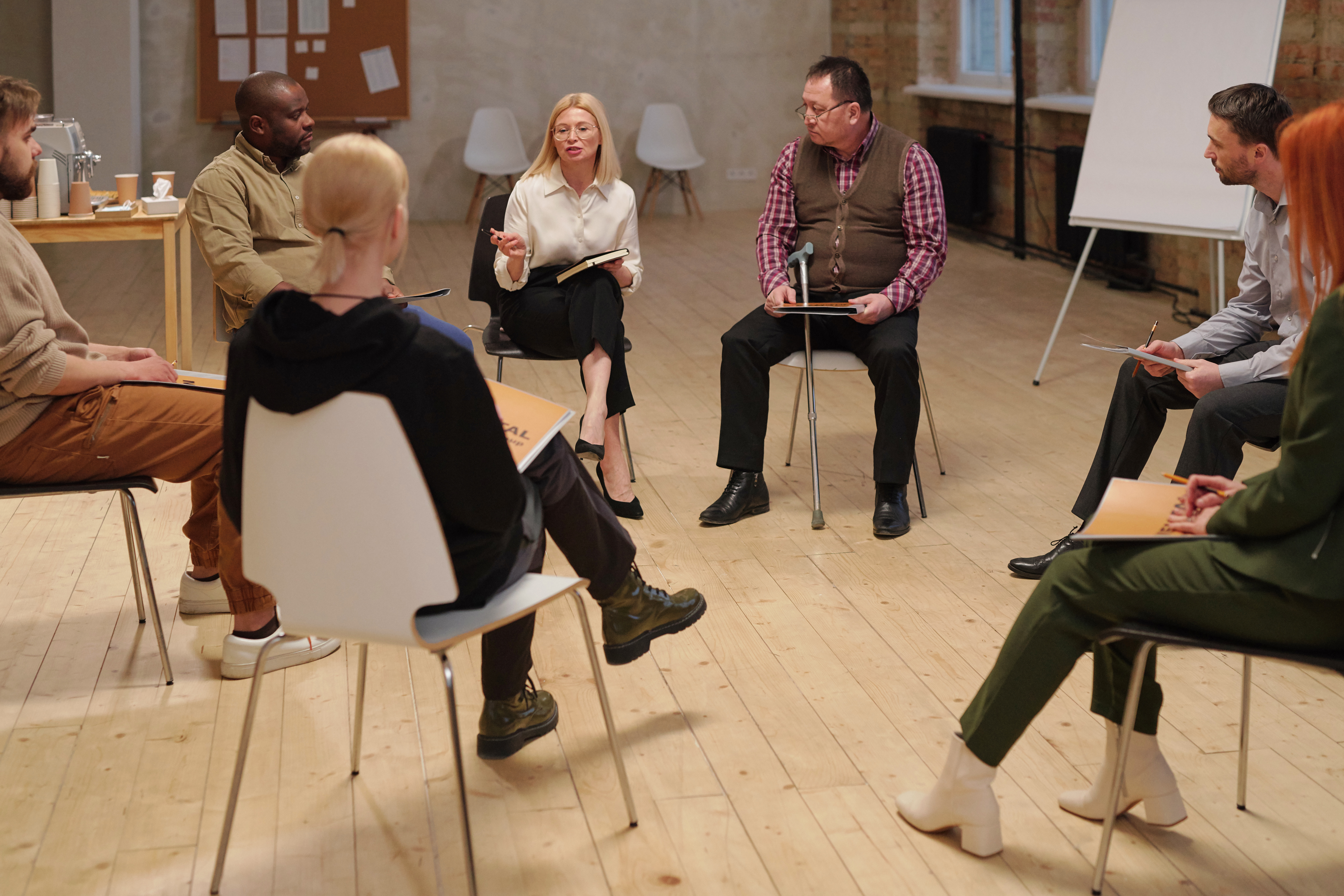
Community-Based PBS Services

Clinical Training and Development
Multi-Agency Collaboration
Complex Case Consultancy
Take the First Step Today.
A Trusted Partner in PBS Healthcare
Healthcare teams face growing pressure to deliver person-centred care, reduce restrictive practices, and improve long-term outcomes – all while managing complex systems and limited resources.
At PBS UK, we understand these challenges. That’s why our positive behaviour support is designed to fit within existing clinical structures, not outside them. We listen and collaborate with you every step of the way.
We want to be so much more than your training provider; Consider us your partner in building safer, more respectful healthcare environments for people with complex behavioural needs.
Why Choose PBS UK
Aligned With NHS Values
Experts in Complex Needs
Evidence-Based, Always
Practical, Person-Centred Tools
Proven Outcomes
What We Offer

Working With Individuals
We offer assessment, planning and direct support to improve quality of life and reduce distress.

System-Wide Support
Tailored PBS consultancy to improve culture, reduce risk, and drive sustainable change.
Working With Individuals
We offer assessment, planning and direct support to improve quality of life and reduce distress.
System-Wide Support
Tailored PBS consultancy to improve culture, reduce risk, and drive sustainable change.
Meet Our Team
Meet the friendly faces behind every PBS UK plan, assessment and training session.

Paddy BehanCo-Founder & Director

Tia MartinCo-Founder & Director

Donald MartinCompany Secretary
Your Journey with PBS UK

FAQs | PBS Healthcare For Healthcare Providers
What does PBS support look like in healthcare settings?
PBS in healthcare focuses on understanding behaviour in context – including mental health needs, physical health conditions, and the environment. Our clinicians work closely with staff to develop practical, person-centred strategies that reduce restrictive practices and support long-term wellbeing. This includes assessment, planning, staff coaching, and direct work with individuals. We tailor each intervention to align with clinical pathways and system pressures, while keeping the individual’s rights and safety at the heart of everything we do.
Can you support individuals with both mental and physical health conditions?
Yes. Many of the people we support have complex health presentations that include co-occurring learning disabilities, mental health needs, and physical health conditions. Our behaviour analysts understand how these factors interact and influence behaviour patterns. We use a multi-disciplinary lens to ensure our support is safe, compassionate, and clinically appropriate. Where necessary, we collaborate with existing teams to integrate PBS into broader care planning, helping reduce risk and improve individual outcomes in inpatient and community settings.
How do you reduce the use of restrictive practices?
We help services move away from reactive approaches by focusing on prevention, understanding, and communication. Our training and consultancy support staff to recognise early warning signs, identify unmet needs, and develop strategies that reduce distress before it escalates. We also assess environments and routines to ensure they’re supporting individuals, not triggering them. This shift from control to collaboration not only reduces incidents but also builds trust and safety for everyone involved.
Do you offer PBS training for healthcare staff?
Yes. We deliver practical PBS training tailored to clinical settings – including inpatient wards, step-down services, and community health teams. Training covers behavioural theory, trauma-informed practice, and practical de-escalation, as well as communication and rights-based support. We support staff to apply what they’ve learned through coaching and reflective practice, helping embed PBS into everyday care and clinical decision-making. Training can be delivered on-site or remotely, and you walk away with CPD certification.
How do you measure outcomes?
We track a range of indicators, including reduced incidents of challenging behaviour, fewer restrictive interventions, improved quality of life measures, and staff confidence. Each intervention is aligned with clear goals, and we use both qualitative and quantitative data to report progress. For complex cases, we also provide detailed reports suitable for case conferences, safeguarding processes, or legal contexts. Importantly, we also listen to the individual’s experience, because real progress is about more than just numbers.
Still have questions?
Contact our team or call us on 01234 567890 today.