
PBS Training for Teams Who Put People First
Understand how to use positive behaviour support to make a real difference
What We Offer
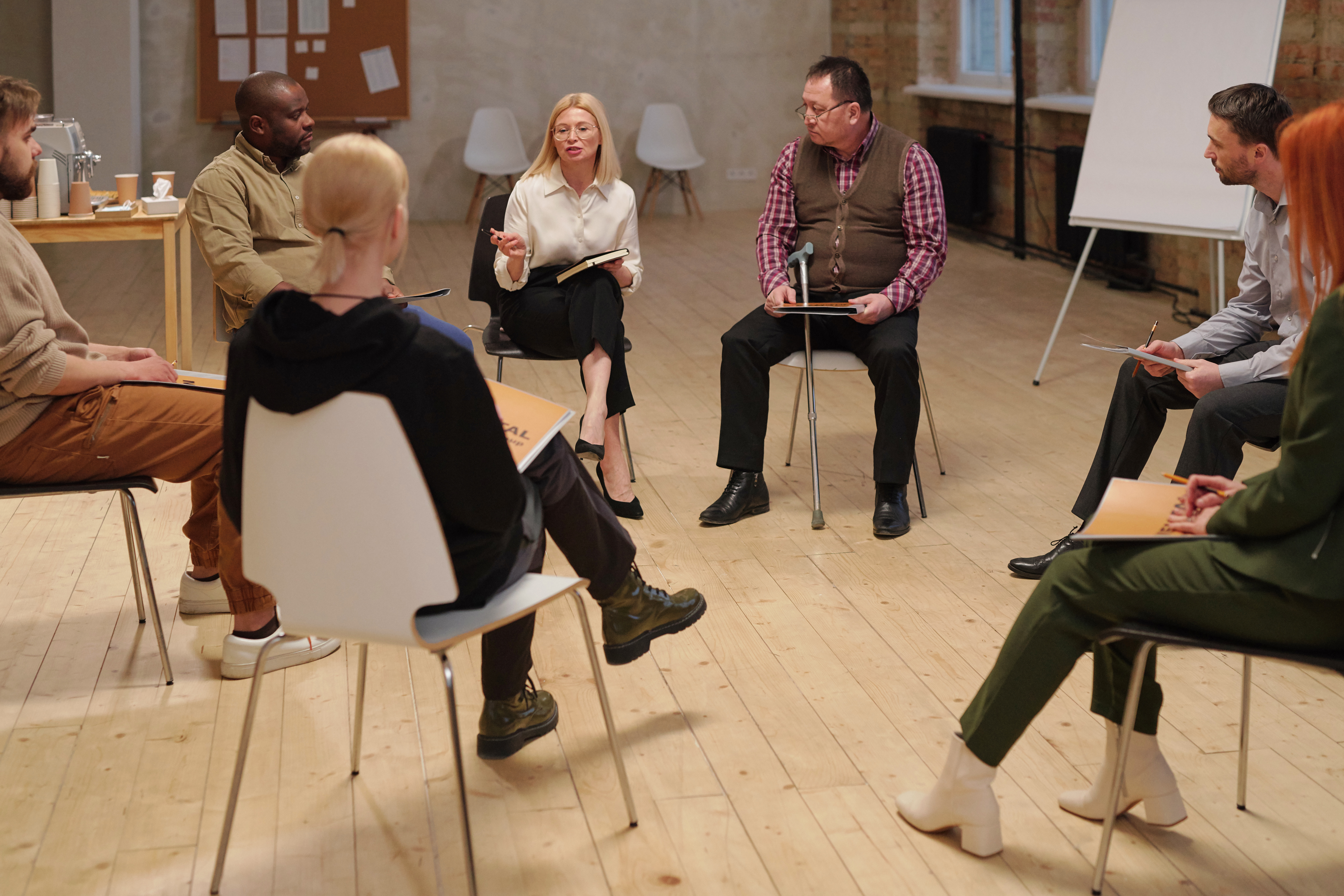
Introductory PBS Training

Skills-Based PBS Programme

Functional Assessment Training

Guided Reflection Sessions

Strategic Leadership Training

One-to-One Practice Support
Who We Support

Education Staff

Social Care Teams
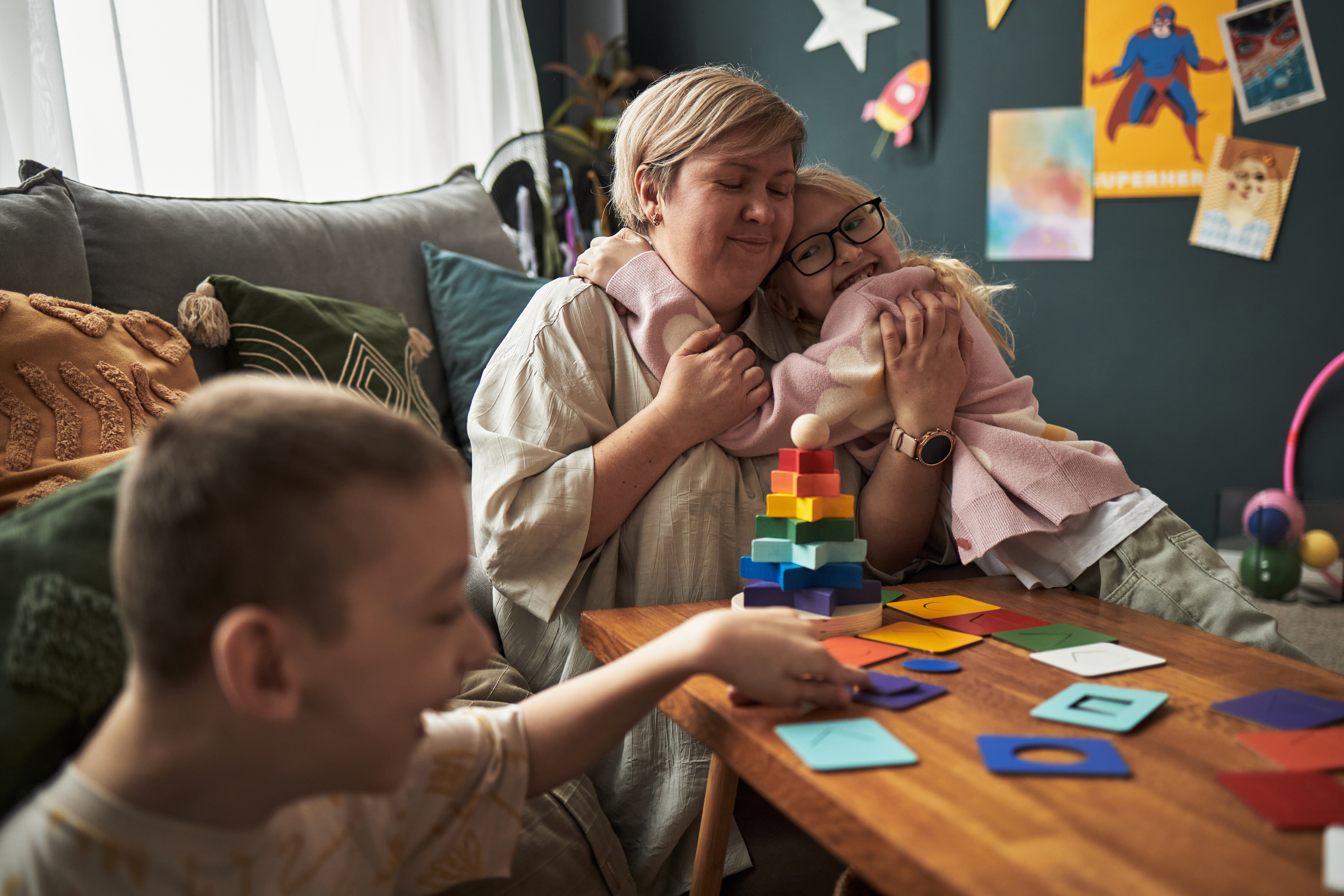
Family Carers

Clinical Roles
Senior Leaders

Commissioners
Training People to Support Rather Than React
Positive behaviour support helps teams see behaviour differently – as communication shaped by someone’s experience and environment. With the right tools and values, teams move from reacting to behaviours to supporting individuals behind them.
Our PBS training is grounded in everyday practice. It helps people:- Understand behaviour in context
- Use proactive, not reactive, approaches
- Create practical, person-centred positive behaviour support plans
- Build supportive, capable environments
- Support communication and choice
Confident teams create real change. We focus on training that builds skill, strengthens values, and supports long-term improvement in everyday support.

PBS Training That Fits Your Practice
Our CPD-accredited courses are mapped to the PBS Competence Framework and designed to meet people where they are.
- PBS Informed Course: An introductory course that builds essential knowledge of the 12 key components of Positive Behaviour Support (Gore et al. 2022).
- Functional Assessment Course: Guided learning focused on conducting basic functional assessments and developing effective PBS plans for challenging behaviour.
- PBS Equipped Course: A multi-session, practice-based course offering time and space to learn, reflect, and practise PBS in context.
Courses can be delivered in person or online, depending on what works best for you.
Take the First Step Today.
No judgement — Practical support — Meaningful change
How We Deliver PBS Training
01 Identifying your needs
We begin with a conversation to understand your goals, current approaches, and any gaps in PBS knowledge. Together, we map out what success looks like for your team, identifying priorities and focus areas.
02 Tailoring the content
Our training is shaped to match the unique needs of your organisation, from entry-level understanding to specialist skills. Content is practical and relevant to real-life situations.
03 Delivering your course
Courses are interactive and accessible. Whether in person or online, we prioritise active learning, reflection, and practical tools that make a difference from day one. Every session connects ideas to lived support experiences.
04 Embedding the learning
We offer follow-up reflective practice sessions and one-to-one coaching to support confidence and skill growth. And the learning doesn’t stop there – we support implementation and adapt to what teams need as they grow. Ongoing mentoring helps staff embed PBS confidently, with expert input as needed.
05 Evaluating change
We help you reflect on progress and capture outcomes, as well as plan next steps. This helps ensure PBS becomes embedded in daily practice, with room for review and adaptation.
Our Approach to Training Individuals
Our training helps practitioners support individuals as people first; they should never be reduced to labels or behaviours. Every course is shaped around human rights, meaningful relationships, and the skills needed to promote positive outcomes. We focus on building understanding and giving staff the tools to recognise behaviour as communication.
Our training reflects lived experience wherever possible and is grounded in PBS values. Through practice-based learning, we promote support grounded in dignity, respect, and the belief that everyone deserves to be seen and valued.
Why Choose PBS UK
Designed By Practitioners
Reflective And Adaptive
Shaped By Frontline Insight
Training That Adapts With You
Proven Outcomes
Meet Our Team
Meet the friendly faces behind every PBS UK plan, assessment and training session.



Your Journey with PBS UK