
Working with Individuals
Practical, positive, person-centred support for meaningful change
What We Offer
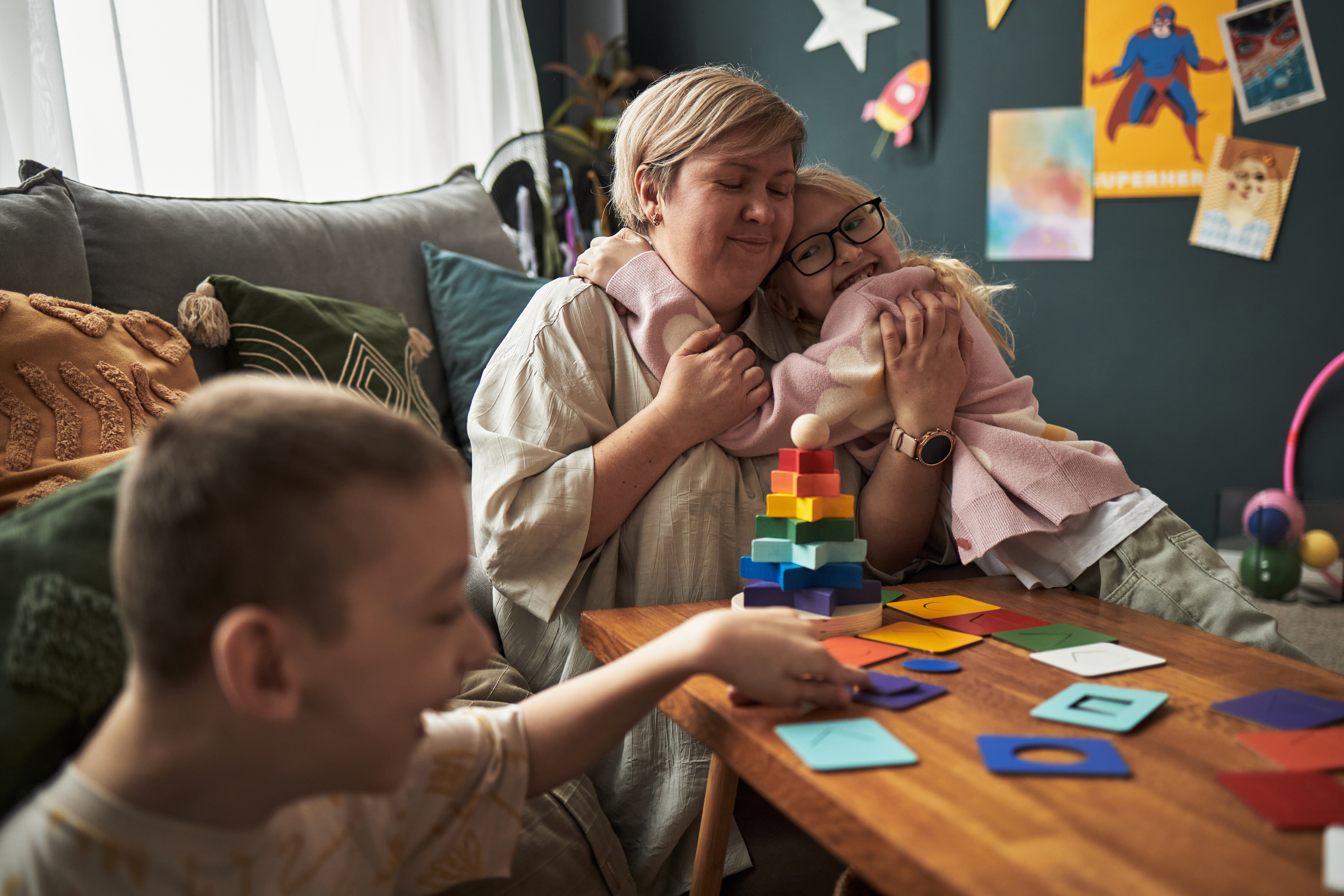
Families and carers in the home

Schools, colleges and education teams

Residential and supported living services

NHS and independent hospitals
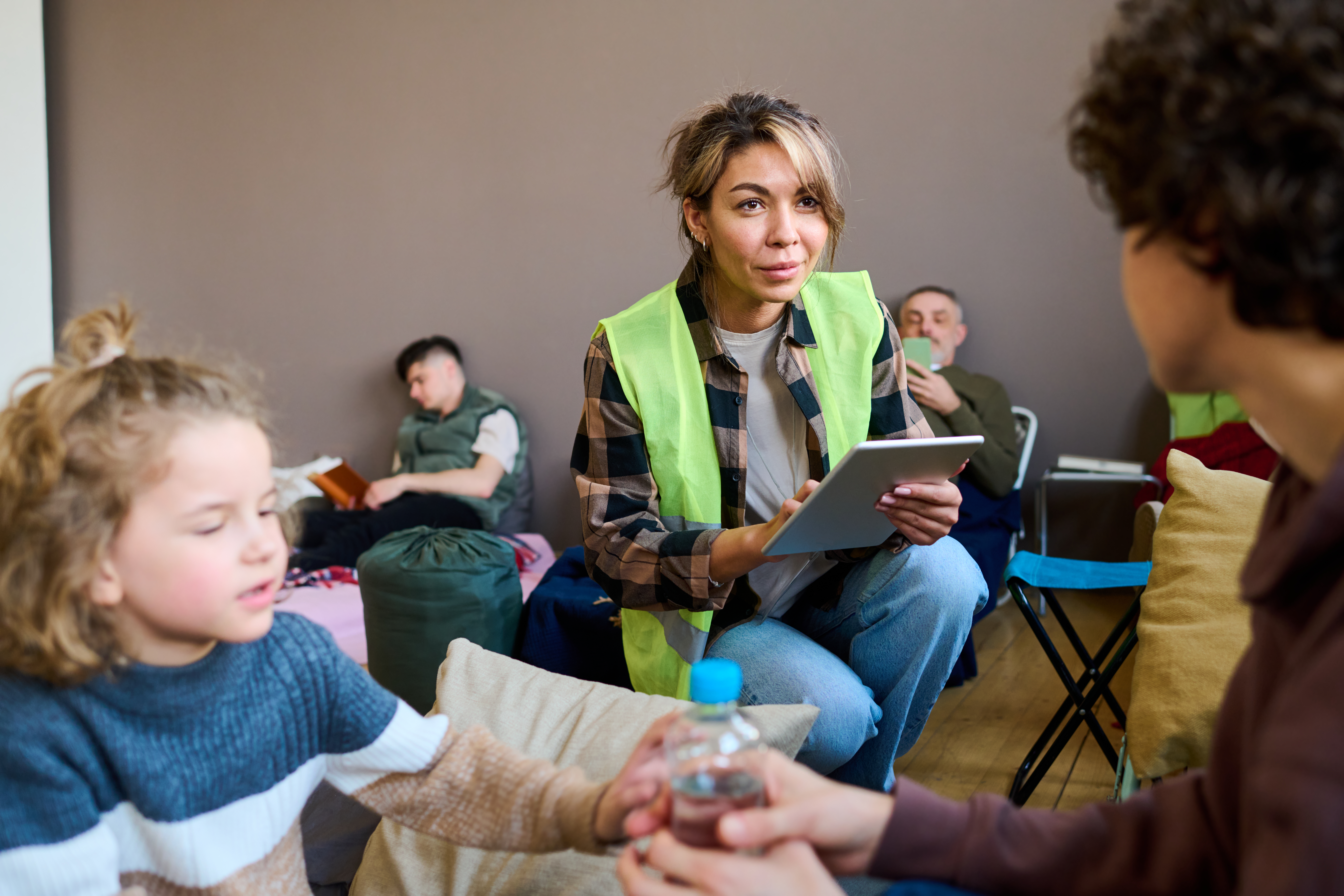
Community support organisations

Local authorities and commissioning teams
Who We Support

Children and Young People

Adults with Learning Disabilities
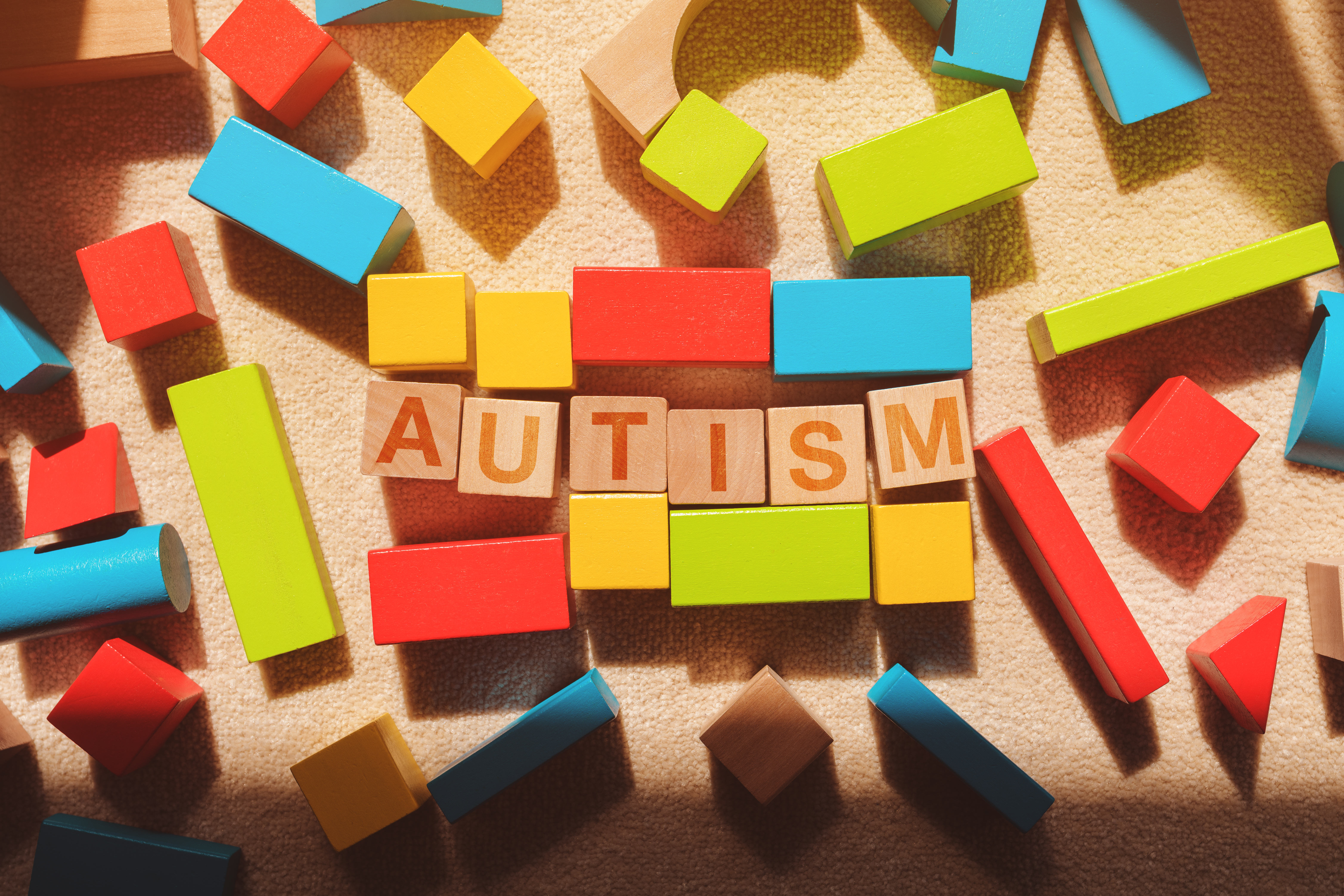
Autistic Individuals

People with Complex Needs
Families and Carers
Support Workers and Case Managers
Why Work With Us

Why Reinforcing Positive Behaviour Matters
At the heart of Positive Behaviour Support is a simple truth: behaviour is communication. When we reinforce positive behaviour – with empathy, consistency, and genuine respect – we help individuals feel seen, safe, and supported.
Positive reinforcement is about building trust, encouraging autonomy, and creating environments where desired behaviours are naturally more effective than behaviours of concern. Whether it’s verbal praise, tangible rewards, or meaningful activities; consistent reinforcement promotes positive self-image, emotional regulation, and intrinsic motivation over time.
Used effectively, positive reinforcement can:
- Reduce challenging behaviour
- Strengthen relationships
- Boost self-esteem
- Open the door to lasting change
Techniques That Make a Difference
Positive Behaviour Support is most effective when it’s woven into the fabric of a service or organisation. That’s why we also work at a strategic level to embed PBS into wider systems – across schools, residential services, support teams, and beyond. We use a tiered model, adapted from international best practice, to help organisations apply PBS at every level. This includes:
- Verbal Praise: Clear, specific encouragement that reinforces effort, persistence, and success.
- Tangible Rewards: From small personal joys to access to favourite activities; we use meaningful rewards to support motivation.
- Positive Consequences: When behaviour leads to a valued outcome, it’s more likely to be repeated.
- Visual Supports: Tools like choice boards or visual schedules that promote independence and reduce anxiety.
- Consistent Reinforcement: Predictable responses that help individuals learn what works – and what feels right.
- Strength-Based Framing: We focus on what’s going well, not just what needs to change.
- Involving Parents and Carers: Because meaningful change only happens when everyone’s on the same page.
The goal is to create sustainable, values-led systems that enable individuals – and those who support them – to thrive.

Take the First Step Today.
How We Work With Individuals
01. Initial discovery & understanding
We begin with curiosity and compassion. Through conversations with the individual, their family, and wider support team, we learn about their strengths, challenges, preferences, routines, and hopes for the future.
02. Behavioural assessment
Our skilled practitioners carry out a detailed behavioural assessment, using observation, data collection, and input from those who know the individual best. This helps us understand what’s driving certain behaviours, and where we can introduce positive consequences and consistent reinforcement to support change.
03. Goal Setting
Together, we define what success looks like. From rewarding desired behaviours to supporting intrinsic motivation and building communication skills, we work with individuals and their circle of support to set clear, realistic, and meaningful goals.
04. Plan creation and implementation
With insight and clarity in place, we create a person-centred PBS plan tailored to the individual. This includes practical, day-to-day strategies like verbal praise, use of tangible rewards, and proactive environmental adaptations. We then support the team to implement the plan: through training, coaching, and ongoing advice.
05. Review, refine, & reinforce
We don’t just set it and forget it. Positive Behaviour Support is dynamic. We regularly review progress, refine our approach based on what’s working, and celebrate successes along the way. It’s how we ensure positive reinforcement continues to build self-esteem, positive self-image, and lasting behavioural change.

Working With Individuals
We also offer bespoke behavioural safety programmes, such as our water safety curriculum for children with autism – developed through our very own Tia’s doctoral research and real-world testing. These are life-changing, and sometimes life-saving, interventions.
As an independent organisation, we have the flexibility to develop creative, tailored solutions that suit your specific needs.
Why Choose PBS UK?
Compassion-Led, Always
Expert, Trauma-Informed Practice
Evidence-Based
Honest, Kind, Human
Proven Outcomes
Meet Our Team
Meet the friendly faces behind every PBS UK plan, assessment and training session.



Your Journey with PBS UK

FAQs | Positive Behaviour Support & PBS UK
What is positive reinforcement, and why is it important?
What types of strategies do you use when working with individuals?
How do you ensure support is truly person-centred?
Can you involve parents, carers, and support staff?
Is this approach suitable for people with complex needs?
How is positive reinforcement different from negative reinforcement or punishment?
How long does it take to see results?
What happens if the strategies don’t seem to work?
Do you work with children, adults, or both?
Can you help with behaviour in school or work settings?
Do you offer ongoing support or just one-off assessments?
Still have questions?
Contact our team or call us on 01234 567890 today.